Ban Cowbells in Bavaria
Protecting cattle welfare and community peace
Cowbells expose cattle to noise levels up to 113 dB, equivalent to a chainsaw, for months on end. Scientific studies show this causes stress, hearing damage, and behavioral changes.
Modern GPS collars and drone monitoring now offer humane alternatives for tracking cattle.
Sign the PetitionThe Problem
Tradition vs. Animal Suffering
Cowbells are a deep-rooted Alpine tradition, used to help farmers locate their cattle in mountainous terrain. However, modern research reveals significant welfare concerns that can no longer be ignored. Fortunately, modern alternatives now exist.
Hear it yourself
Imagine hearing this noise 24 hours a day, 7 days a week.
Cowbells routinely exceed the EU workplace noise limit of 85 dB. At 113 dB, measured just 20 cm from the bell, the noise level equals that of a chainsaw or rock concert. [Source: PLOS ONE]
Where Cattle Wear Bells
Each summer, approximately 53,000 cattle are driven up to Bavaria's 1,450 alpine pastures (Almen), where they graze freely for up to six months, wearing bells the entire time. These cattle are split roughly evenly between Upper Bavaria and the Allgäu region.
Sources: Bayerisches Landesamt für Statistik (Nov 2024), Bavarian State Ministry for Food, Agriculture and Forestry (2020)
Two Critical Impacts
Animal Suffering: The Hidden Cost of Tradition
"To subject an animal to something like this purely for tradition is completely unacceptable."
— Nicole Brühl, President, Bavarian Animal Welfare Federation (Deutscher Tierschutzbund Bayern), 2015 · Tagesspiegel (translated from German)
Cattle have far more sensitive hearing than humans. Their hearing range extends from 23 Hz to 35 kHz, with peak sensitivity at 8 kHz. They can detect sounds at -11 dB, amplitudes humans cannot perceive. This means the impact of a loud bell worn just centimeters from their ear is far greater than we might assume.
Scientific Research Findings
Source: Johns et al., PLOS ONE (2015)
Cow Hearing vs. Human Hearing
Frequency Range
Minimum Detectable Sound
Cows can hear sounds that are too quiet for humans to perceive, making them more vulnerable to loud noise exposure. [Heffner & Heffner, 1983]
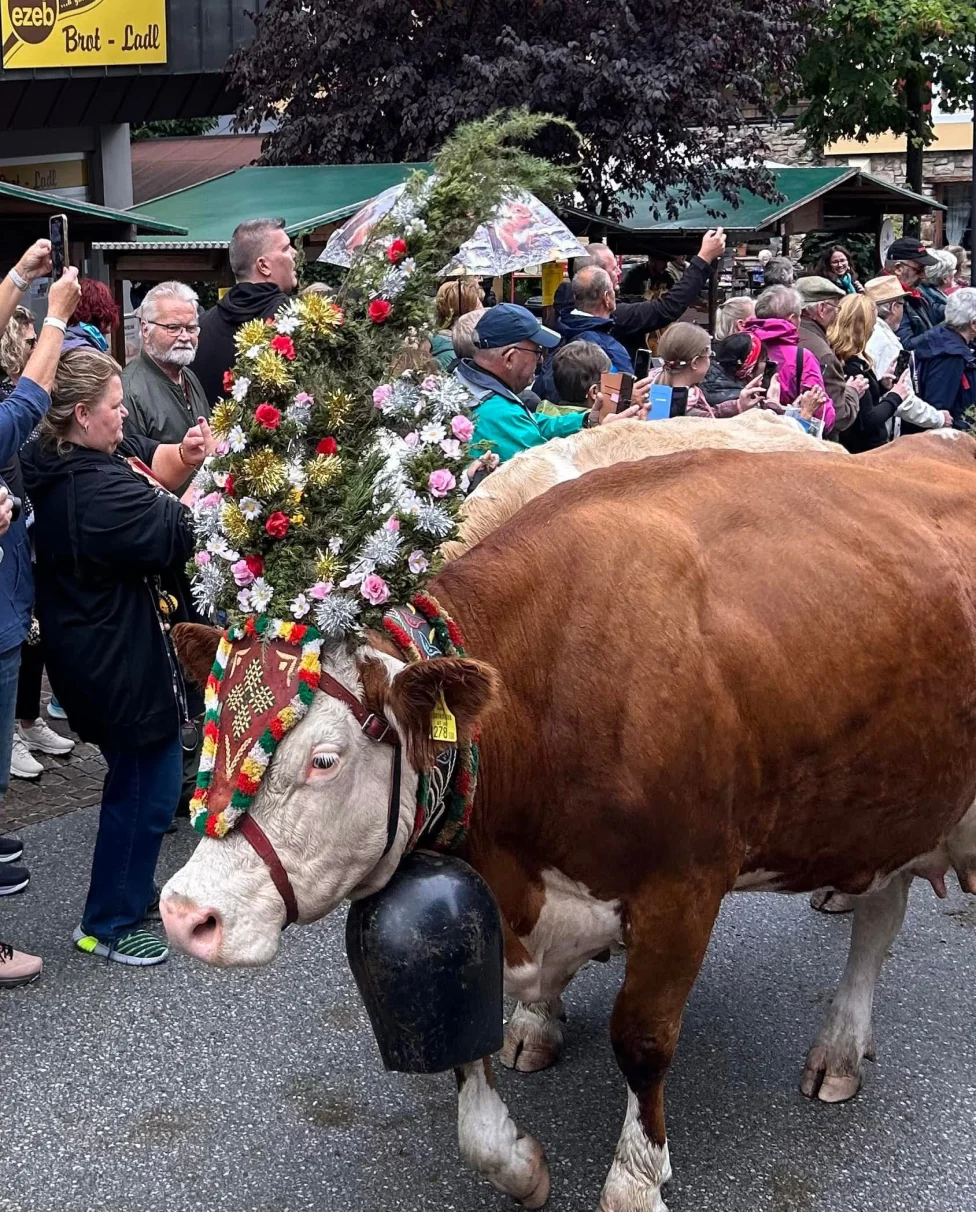
The Kranzkuh leads the herd with an oversized ceremonial bell
The Almabtrieb: When Tradition Amplifies Suffering
Each autumn, the Almabtrieb (also called Viehscheid in the Allgäu) marks the ceremonial descent of cattle from alpine pastures. Thousands gather to watch as decorated cows parade through villages. But behind the festive atmosphere lies an overlooked cruelty.
The lead cow, called the Kranzkuh ("wreath cow"), is forced to wear an extra-large ceremonial bell that can weigh 5–8 kg or more, several times heavier than standard bells. These oversized bells produce even louder noise and place significant strain on the animal's neck as she leads the herd down steep mountain paths.
Adding to the stress, the Almabtrieb is a crowded public event with hundreds to thousands of cheering spectators, music, and commotion. This is an unfamiliar and overwhelming environment for animals accustomed to quiet alpine pastures.
Community Impact: Beyond the Pastoral Idyll
While cowbells may evoke romantic images of Alpine meadows, the reality for nearby residents is constant noise pollution throughout the grazing season. The sound that tourists find charming becomes a daily burden for those who live with it.
How Loud Are Cowbells?
At 20 cm (the distance between a cowbell and the cow's ear), noise levels reach 90-113 dB. This exceeds legal workplace noise limits in most countries. [Source]
Health Consequences for Residents
WHO Health Impact Thresholds
Source: WHO Environmental Noise Guidelines for the European Region (2018)
Chronic Sleep Deprivation: 6 Months of Disrupted Rest
During grazing season, residents near Alpine pastures experience constant bell noise from early morning until dusk, sometimes through the night when cattle graze nearby. Unlike traffic noise that follows predictable patterns, cowbells ring irregularly, making it impossible to adapt.
Chronic sleep deprivation health risks:
Adults need 7+ hours of quality sleep per night. CDC Sleep Guidelines
The Tide is Turning
A decade of legal progress across the Alps
In 2015, animal rights activists including the German Animal Welfare Society called for a ban on cowbells in Bavaria. The campaign generated significant media attention but was rejected by the Bavarian government.
Agriculture Minister Helmut Brunner dismissed the concerns, arguing that electronic tracking technology was "not yet technically mature and still in the trial phase."
That was more than 10 years ago. Today, GPS collars, virtual fencing systems, and drone monitoring are mature, commercially available technologies used by farmers worldwide. The minister's objection is now obsolete.
Source: The Local (2015)
Courts Have Ordered Bells Removed
Erlkam, Upper Bavaria
Miesbach district court issued an injunction banning bells within 100m of a residence between 7pm–7am. The resident measured noise at 109 dB, equivalent to a pneumatic drill, while local limits are 60 dB (day) and 45 dB (night). Violations carry a €250,000 fine or 6 months jail.
Stallhofen, Austrian Alps
Judge ruled that cattle with bells in fenced meadows "disturbs the nocturnal peace of neighbors" and ordered bells removed. The court rejected claims that bells are a traditional feature of rural areas.
Zurich Oberland
Court inspection found "even at 80 metres, residents were exposed to loud noise." A complete ban was ordered. The farmer had appealed a nighttime-only restriction, but the court imposed a total prohibition instead.
Holzkirchen, Bavaria
After 5 years of litigation, a settlement was reached in May 2020. The couple sued citing sleep deprivation and depression. OLG München dismissed appeals (April 2019), and BGH rejected further appeal. Final settlement: only 3 cows may wear bells, and only in a designated area of the meadow away from the property line.
Zwischenwasser, Vorarlberg
A vacation rental owner sued because guests were leaving early due to cowbell noise. The hotelier's lawyer cited ETH Zurich research showing bells reach 100–110 dB. Settled out of court: cows received GPS trackers instead of bells, proving modern alternatives work.
Canton Aargau
Court ruled it was wrong to exclude cowbells from nighttime noise regulations. The farmer must now remove bells after 10pm. This precedent confirms that cowbells are subject to the same noise laws as other disturbances.
Modern Alternatives Exist
Technology solutions for tracking cattle without the noise
GPS Collars & Virtual Fencing
Wearable tracking systems designed for alpine and mountain grazing
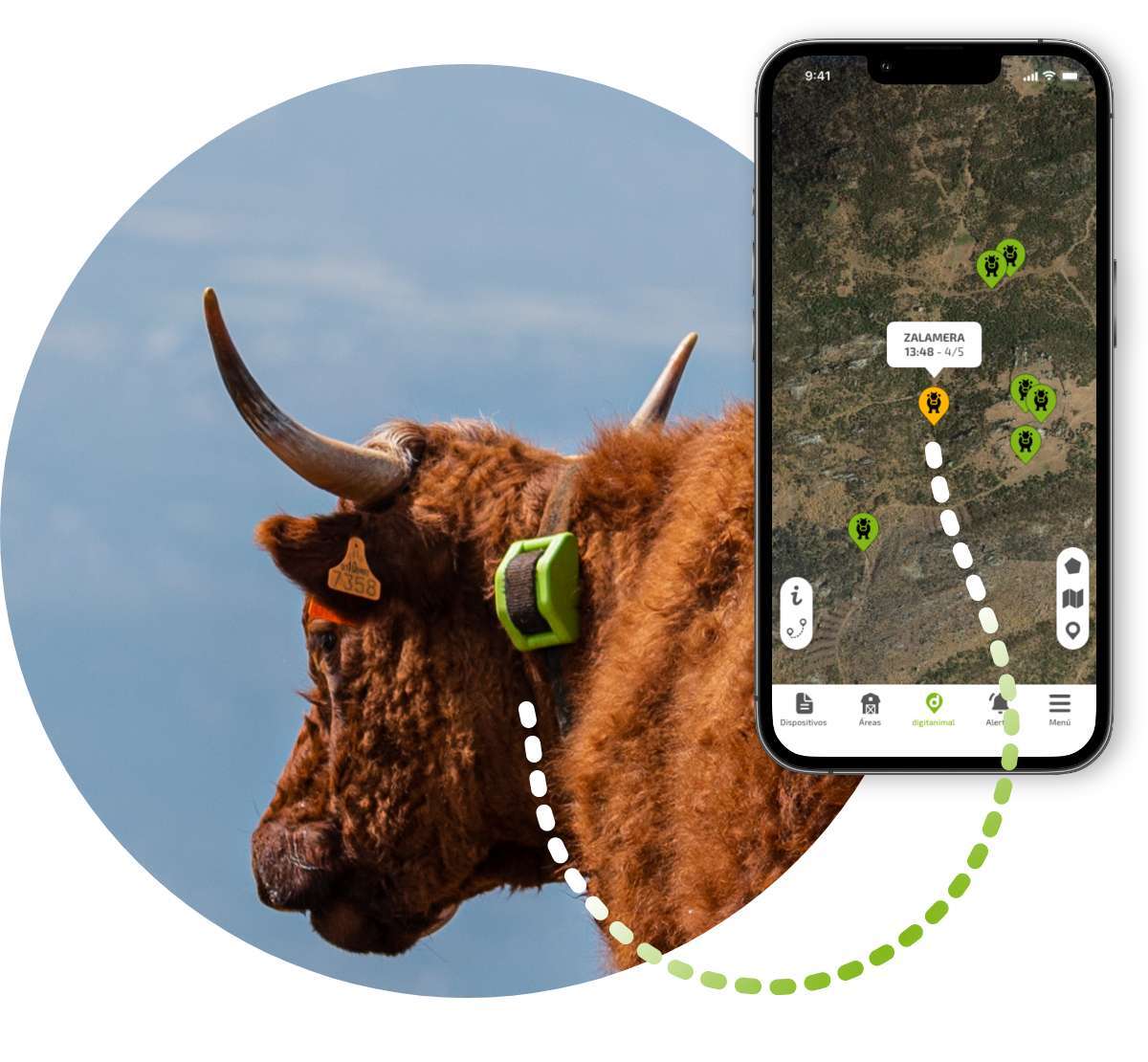
Digitanimal
GPS Collar
Lightweight collars (265g) for extensive mountain grazing. Satellite tracking without cell coverage.
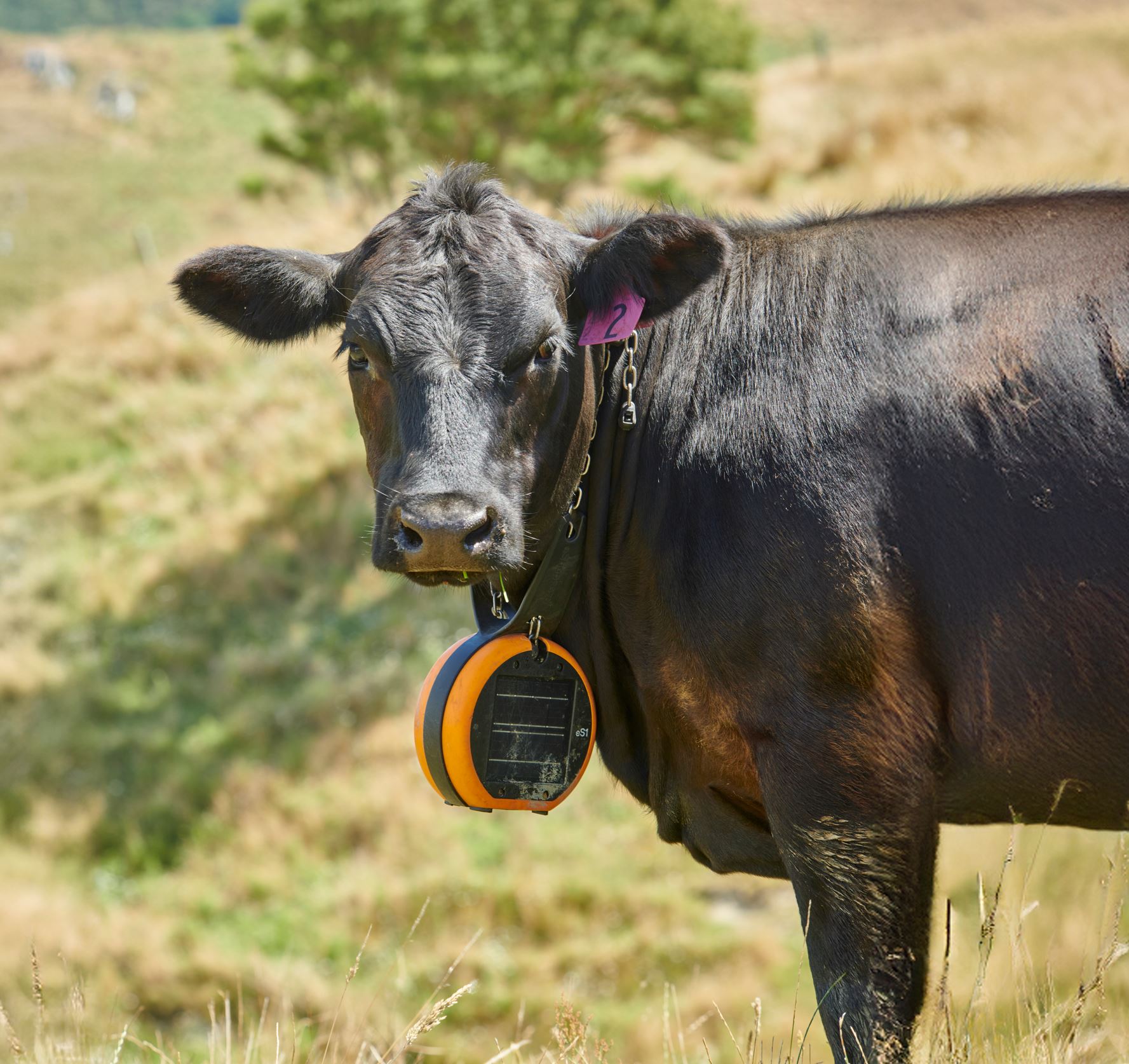
Gallagher eShepherd
Virtual Fencing
Solar-powered neckbands with 7-year battery. Audio cues guide cattle away from virtual boundaries.
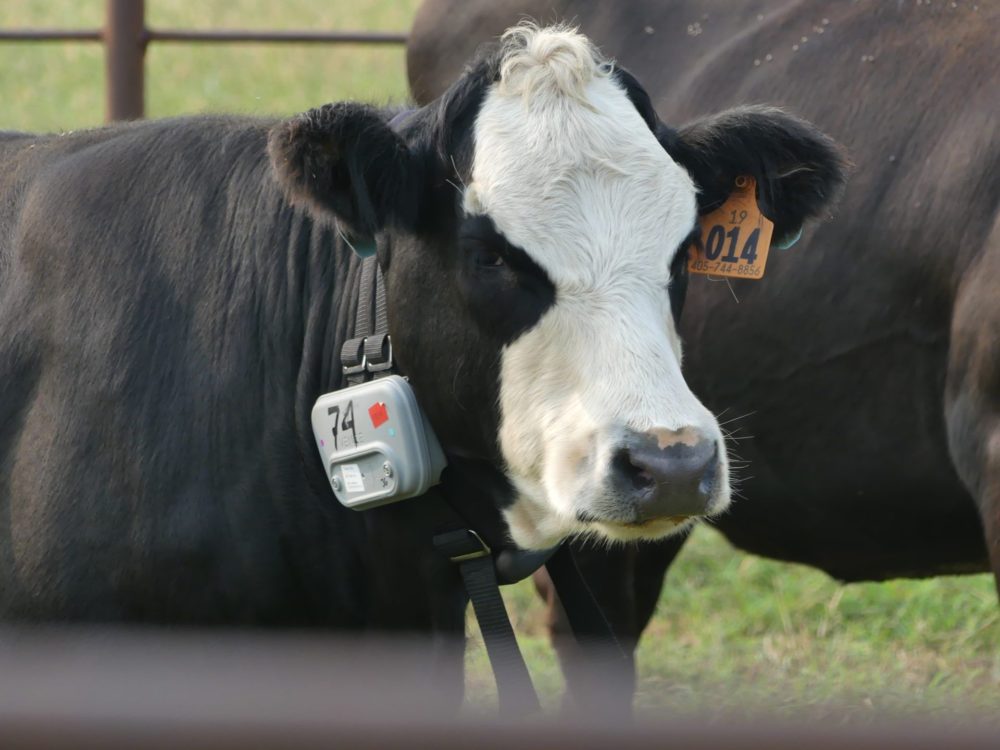
Vence
Virtual Fencing
Audio cues guide cattle from virtual boundaries. Base station connects collars across large pastures.
These products are examples of available technology for alpine grazing. Inclusion does not imply endorsement.
Drone Monitoring
Aerial surveys to locate and count livestock without devices on animals
How It Works
- 1. Drones equipped with thermal and visual cameras fly over pastures
- 2. Thermal imaging detects cattle even in dense terrain or fog
- 3. AI can automatically count and identify animals
- 4. No collars, tags, or devices needed on the animals
Benefits for Alpine Grazing
- • Survey large mountain areas in minutes vs. hours on foot
- • Find missing or injured animals quickly
- • Monitor grazing patterns and pasture usage
- • Reduced labor costs and improved safety
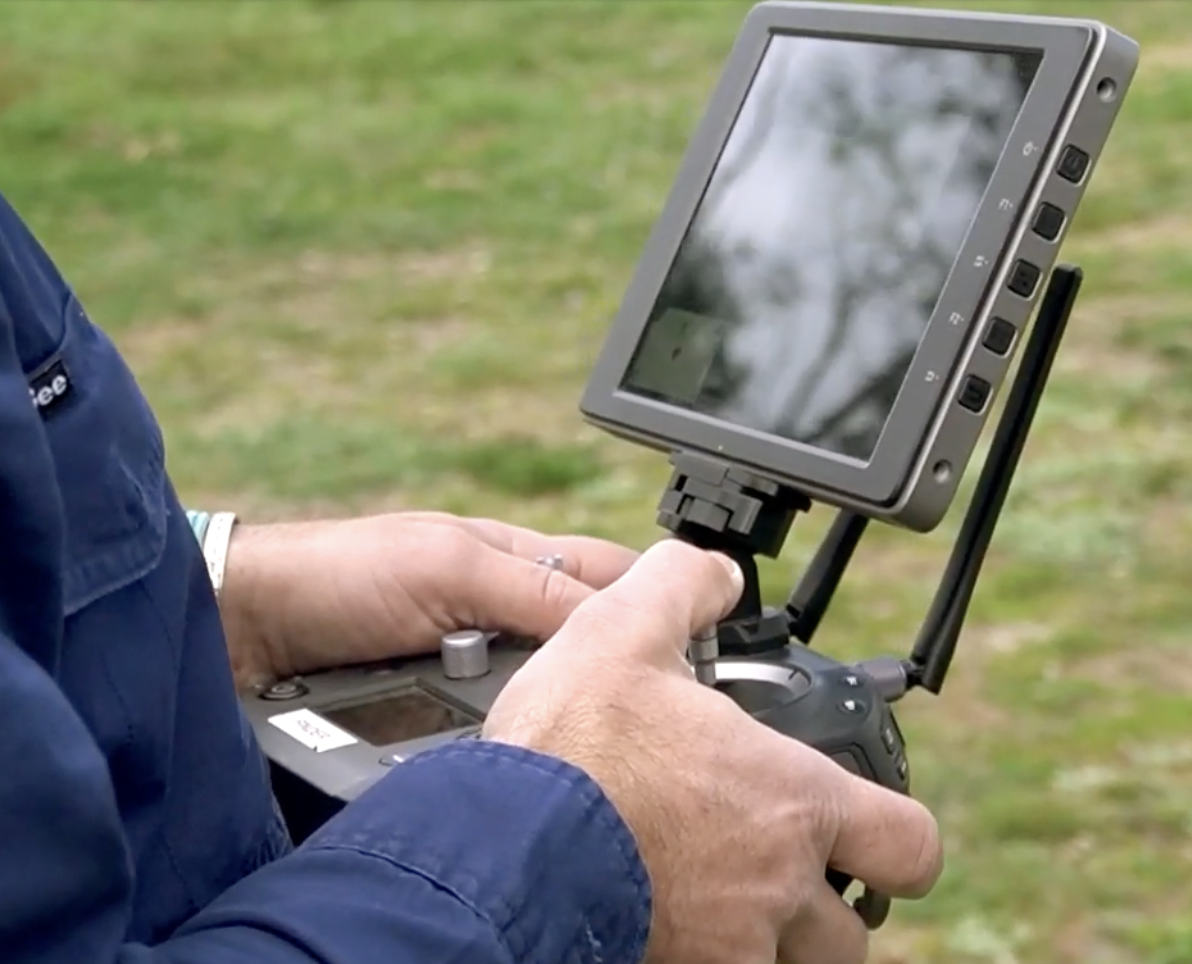
Wildlife Drones
Ag Drones Platform
Drone + tag system for real-time tracking. Rapid search for stolen or missing animals across large areas.
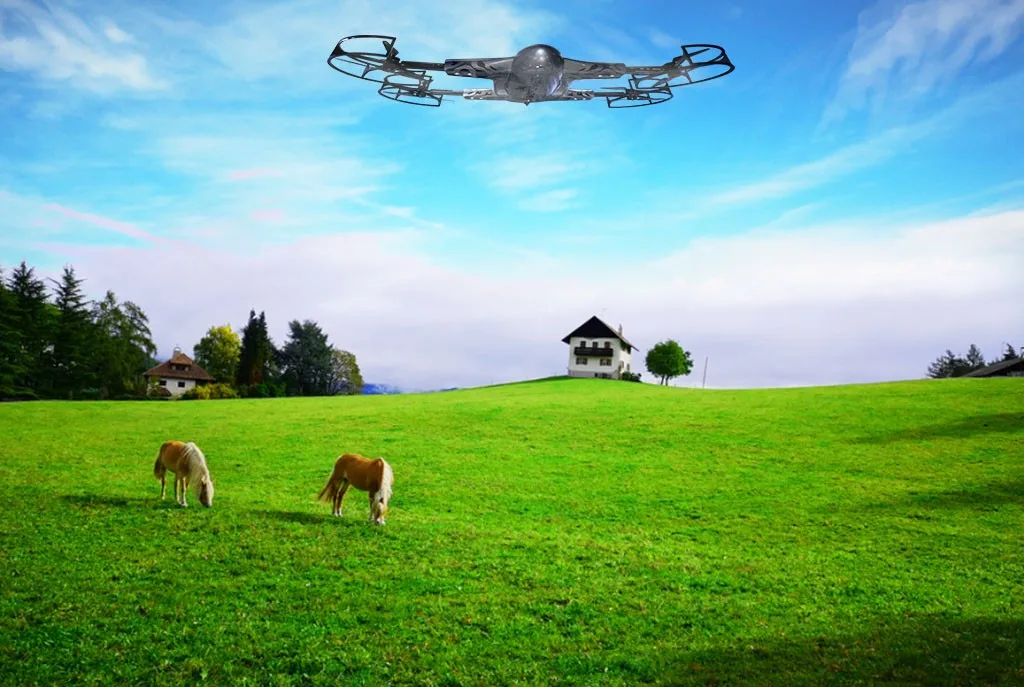
ZenaDrone
Livestock Management
Autonomous monitoring of livestock, water points, and fences. Multi-sensor platform for farm operations.
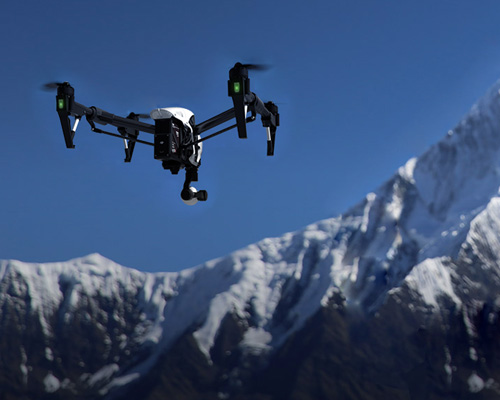
Consumer Drones
DJI, Autel, Parrot
Models like DJI Mavic 3 (46 min flight) or Autel EVO II Pro (thermal imaging) work well for cattle monitoring.
Frequently Asked Questions
Isn't this just an attack on tradition? ▼
Traditions evolve as our understanding grows. Many practices once considered normal, like bear-baiting or cock-fighting, were abandoned when we recognized the harm they caused. Cowbells served a practical purpose before GPS and modern tracking, but we now have better alternatives that don't compromise animal welfare.
How would farmers find their cows without bells? ▼
GPS tracking collars are now affordable and reliable. They provide real-time location data via smartphone apps, which is more effective than listening for bells, especially in fog, bad weather, or across large distances. Many modern farms already use this technology.
Is there really scientific evidence of harm? ▼
Yes. Peer-reviewed studies published in journals like PLOS ONE and Frontiers in Veterinary Science have documented that bell-wearing cows show reduced feeding and rumination times, with no evidence of habituation even after months of exposure. The noise levels (90-113 dB) exceed occupational safety limits for humans.
What about the economic impact on tourism? ▼
While cowbells are part of Bavaria's pastoral image, tourism can thrive without them. Visitors come for the Alps, the food, the culture, and the landscapes, not specifically to hear bells. Farms could display bells as heritage artifacts while using humane tracking methods in practice.
Has any region successfully banned cowbells? ▼
While no region has implemented a full ban, the debate is growing in both Germany and Switzerland. Animal welfare organizations in both countries have called for restrictions, and individual farmers have voluntarily switched to GPS tracking. This petition aims to accelerate that transition through legislation.
Take Action
Help us advocate for humane alternatives to cowbells in Bavaria
Summary
Animal Suffering
- 53,000 cattle wear bells on Bavarian alpine pastures for up to 6 months each year
- Bells produce 90–113 dB at ear level, equivalent to a chainsaw or rock concert
- Cattle have superior hearing sensitivity and studies show they do not habituate to the noise
- Scientific studies show bells cause reduced feeding, less rumination, and abnormal head movements
Community Impact
- Residents near grazing areas report sleep deprivation and health issues
- WHO guidelines set nighttime noise limits at 40 dB, yet cowbells exceed this by 50–70 dB
- Courts across Bavaria, Austria, and Switzerland have ordered bells removed in multiple cases
- Tourism operators have sued over guests leaving early due to noise
The Solution
In 2015, the Bavarian government rejected a bell ban, claiming GPS technology was "not yet mature." That was more than 10 years ago. Today, GPS collars, virtual fencing, and drone monitoring are commercially available and used by farmers worldwide.
We call on the Bavarian government to phase out mandatory cowbells and support farmers in transitioning to modern, humane cattle tracking technologies.